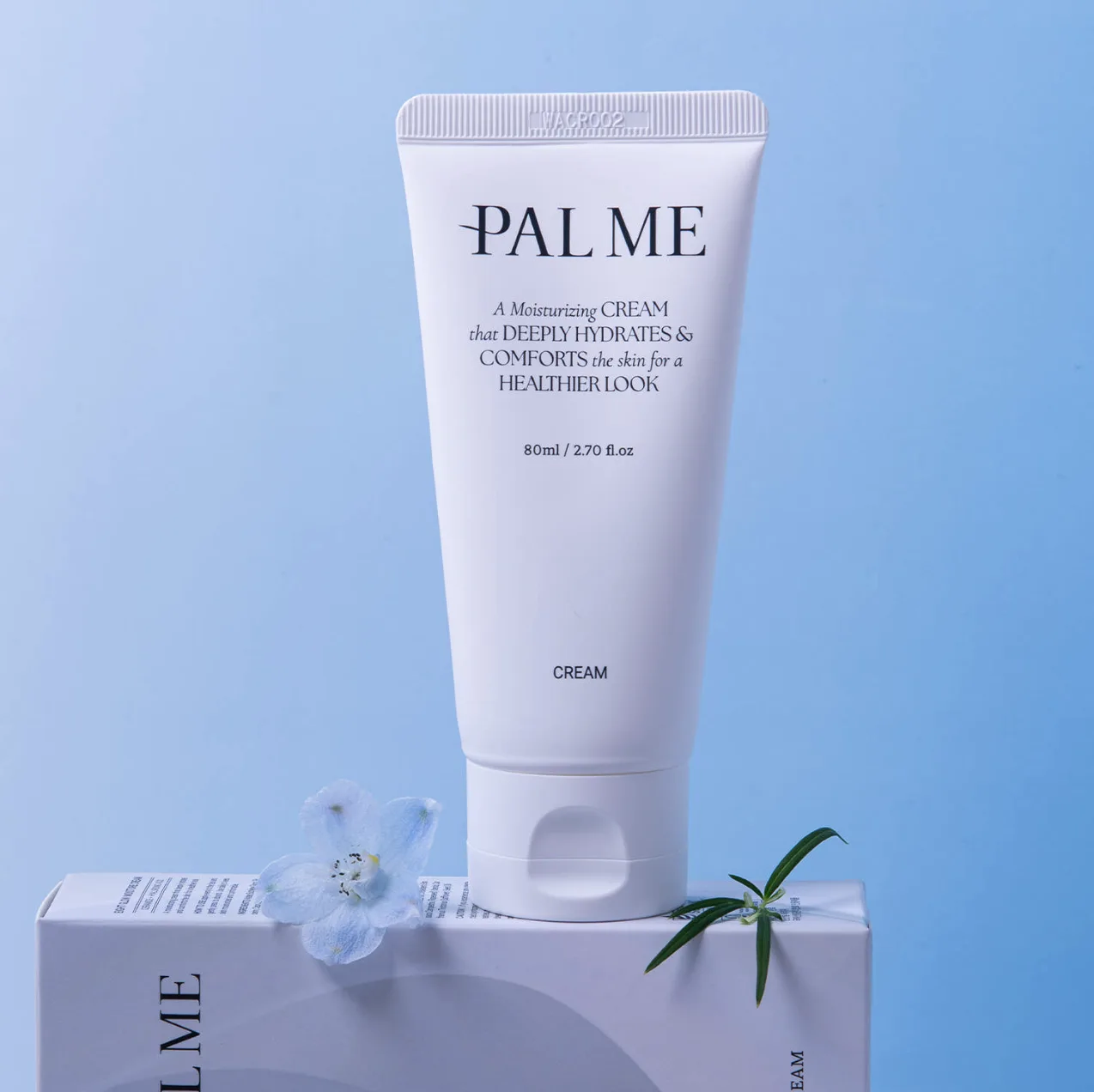
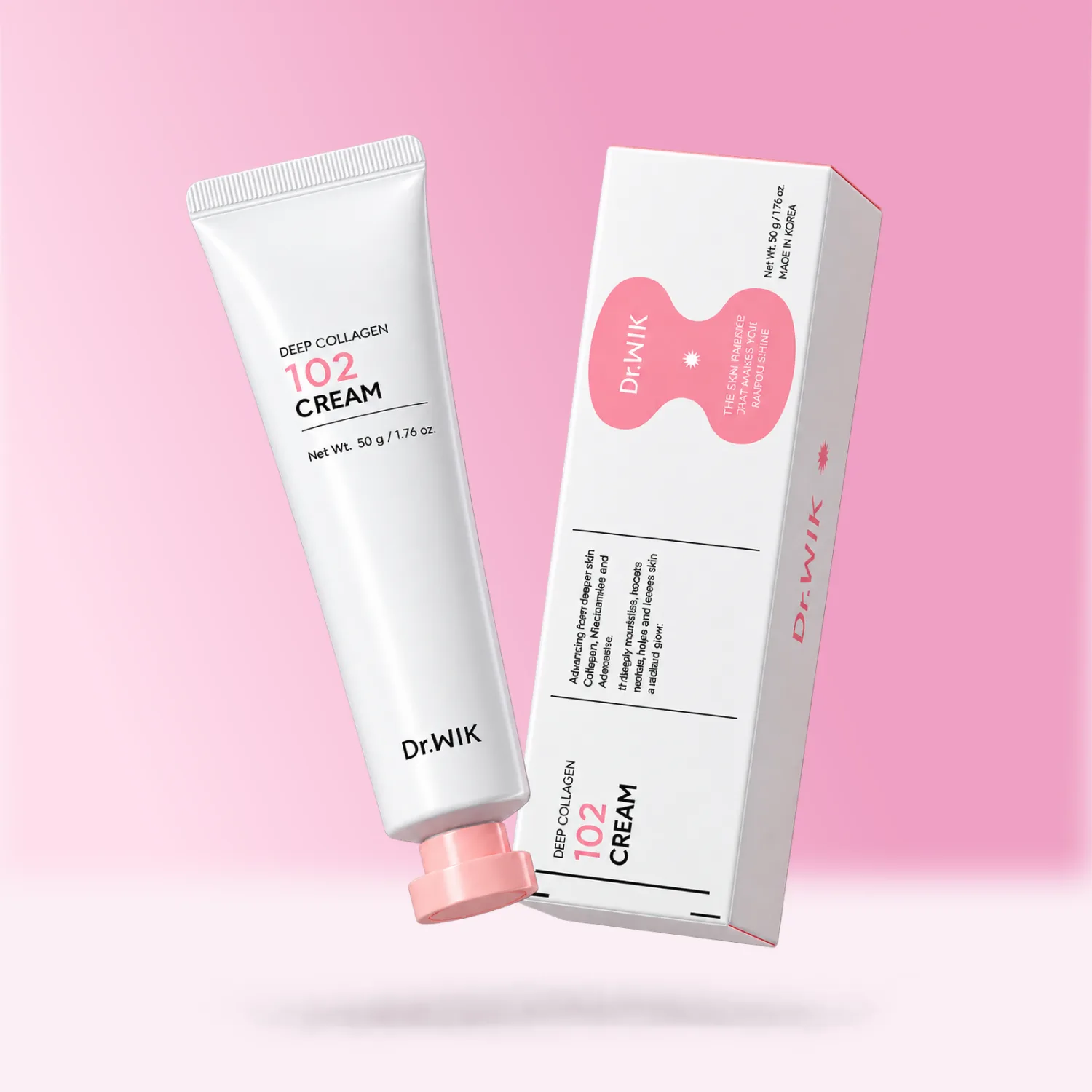
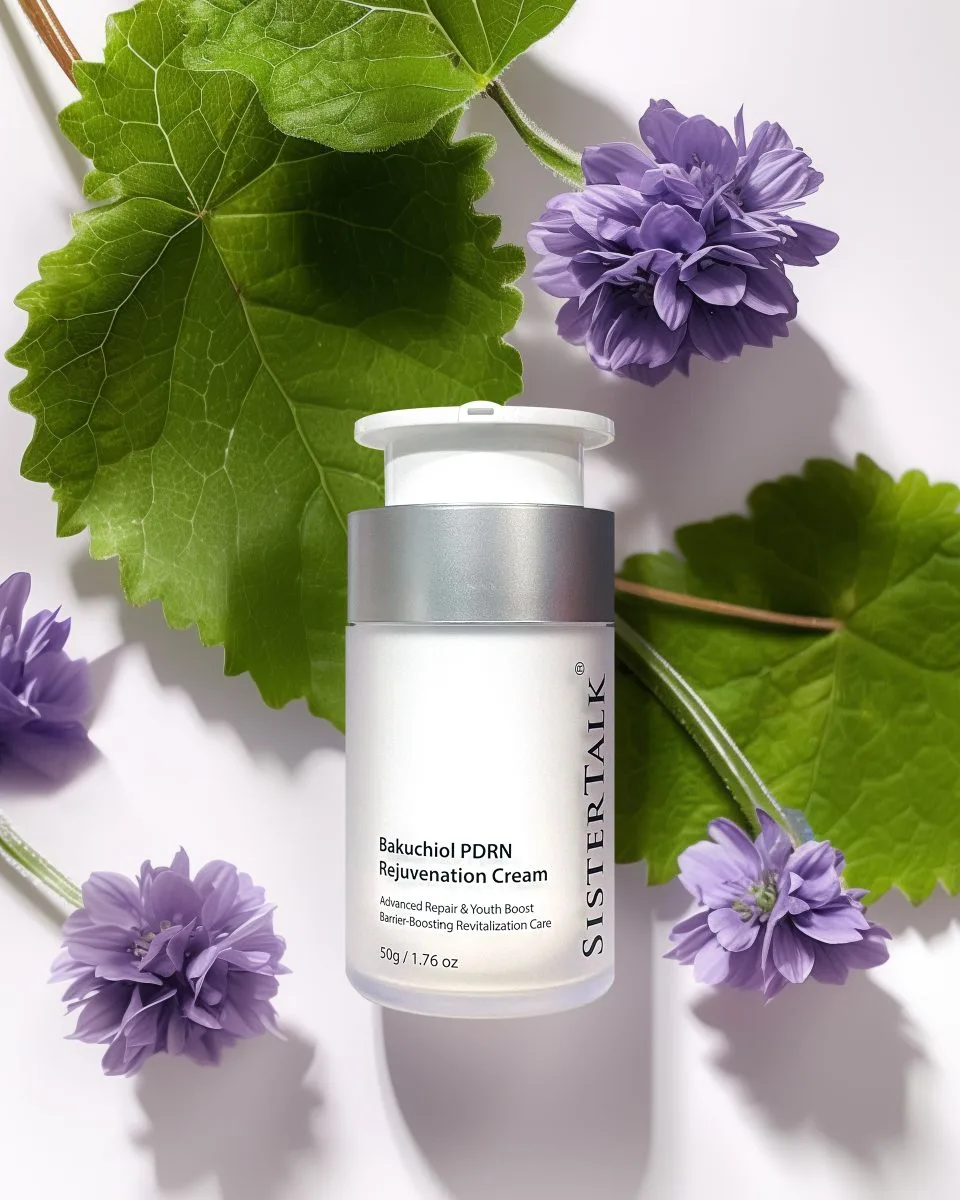
Emulsion, lotion and cream: compare the actual presentation
Use texture descriptions, dispensing and directions instead of treating format names as a universal scale.
Compare products in this guide
A name is only the first clue
A shopper may encounter emulsion, lotion and cream while exploring Korean skincare. Those labels help organize a collection, but they do not reliably rank every product from lightest to richest. Compare the maker’s description and a demonstration of the exact formula rather than constructing a fixed order from the names alone.
Start by deciding what you want to replace or understand. A pump bottle for a desk, a jar for a bathroom shelf and a compact tube for a bag are different handling choices. None establishes individual suitability by itself.
Observe texture with context
Ask to see the product immediately after dispensing and after it is spread according to its directions. Record how much was used and whether another product was underneath. Without that context, two demonstrations may be difficult to compare.
Words such as light, rich and fresh can describe an intended experience, but they are not measurements. If you care about a particular finish, ask the maker what the description refers to and look for a clear example rather than relying on a single adjective.
Build a practical shortlist
Write down the quantity, container, application instructions and closure for each option. Include storage guidance and whether the package is a full product or a refill. Compare the selected size and current price only after you have matched the items you actually want.
A useful question is: “Could you show this formula dispensed and spread, and identify the amount used?” It invites a concrete demonstration while leaving personal experience open.