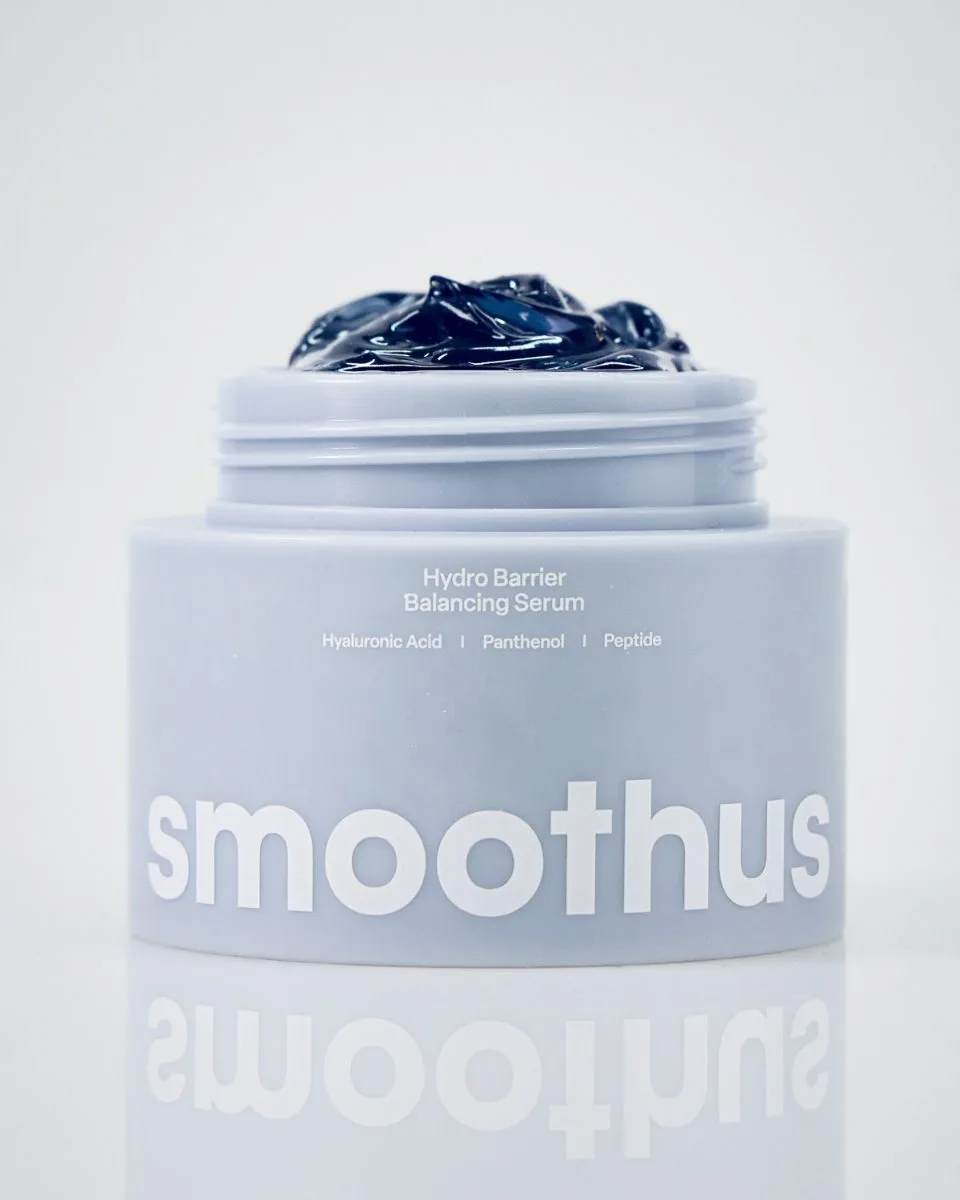
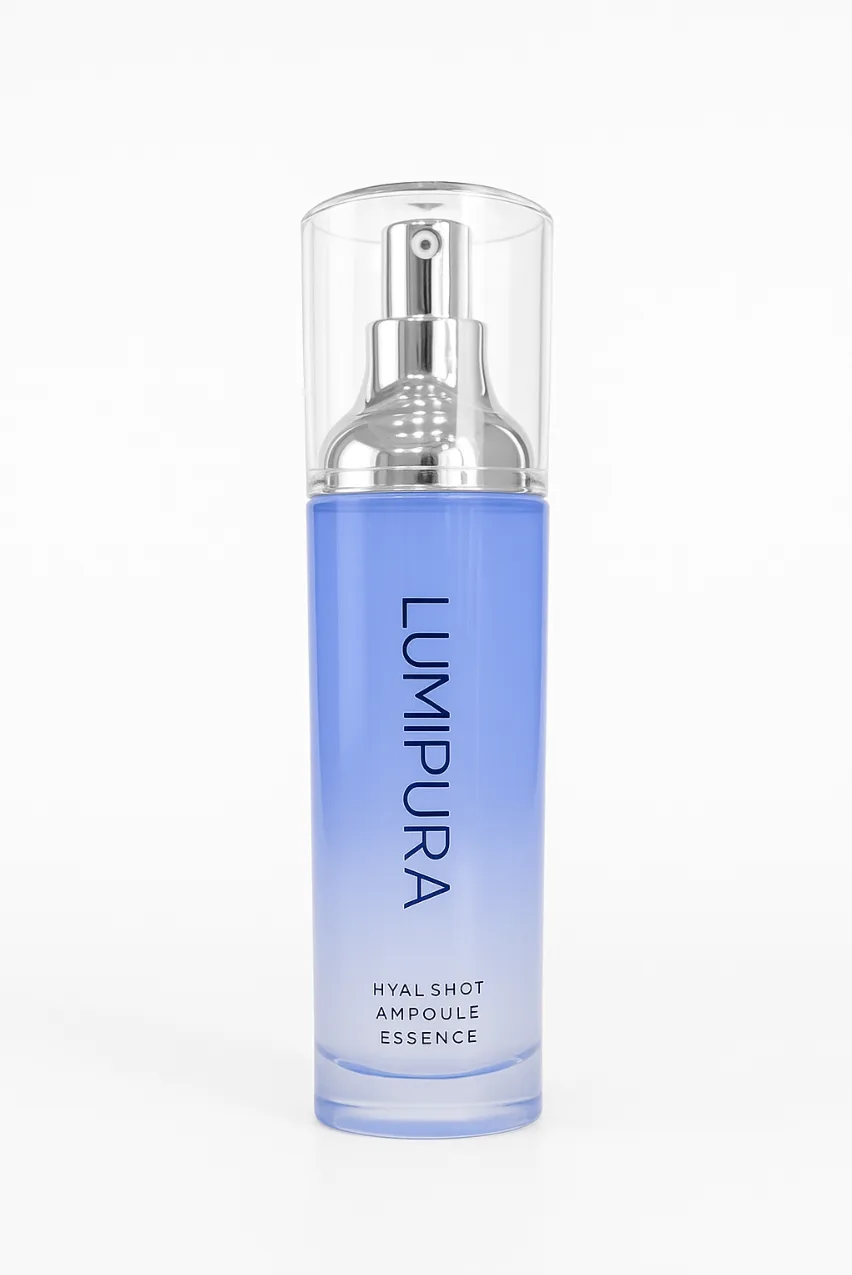
Serum packaging: dropper and pump trade-offs
Understand handling, closure and dosing instructions before choosing a serum package.
Compare products in this guide
Compare the action, not the prestige
A dropper can make the liquid visible before application; a pump delivers it through a dispensing mechanism. Neither package is proof of a more concentrated or more advanced formula. Start with the product description and directions, then decide which handling details matter to you.
For a dropper, inspect the pipette, bulb and bottle opening. For a pump, inspect the nozzle, cap and any lock. A close-up can show how the package works, but a photographed drop or pump is not a standardized dose across brands.
Read the stated amount carefully
If instructions specify drops, follow them for that product and its supplied dispenser. If they specify pumps, use the intended package. Avoid transferring a formula to a different dispenser merely to copy the dose used by another product.
A label may state volume without estimating how many applications it provides. That is not a reason to invent an application count. Your handling and the amount instructed can differ from a video demonstration or another customer’s routine.
Think about opening and storage
Consider whether you need to hold the bottle and dispenser separately, whether the cap closes securely and where the product will rest during use. Follow the maker’s instructions for keeping the opening and applicator clean. Do not assume a package can be refilled or disassembled unless it is designed for that purpose.
For an online question, ask to see the actual dispensing mechanism and closure for the size you selected. This can resolve a practical concern even when two serum bottles look nearly identical from the front.